
In brief: Reuters reported on 27 November that hackers have breached Cloud One, the US Air Force’s main cloud platform. According to one source, the attackers reached the control plane, from which the whole platform is managed. This article sets out what is known and what the case means for organisations that run many systems on one shared platform.
What is known
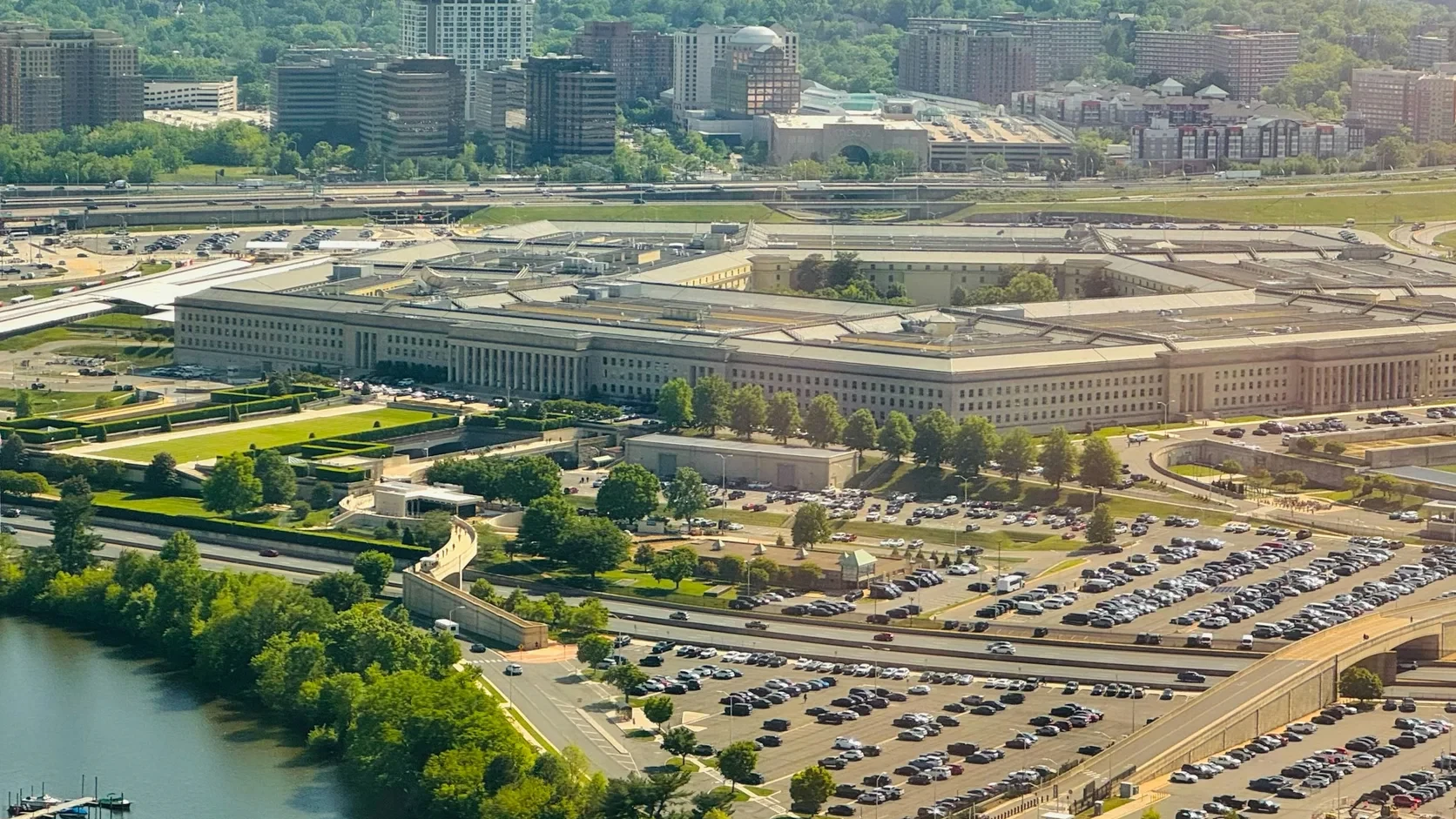
Cloud One was launched in 2017 as a single home for the Air Force’s IT needs. It combines cloud services from Microsoft, Amazon, Oracle and Alphabet and runs applications for personnel data, pay, logistics and maintenance. According to Reuters, it also hosts systems that collate air defence radar data and track bombs and missiles at more than 200 locations.
The intrusion was discovered within the past month, during work to upgrade the platform. Reuters based its report on several unnamed sources. One said the attackers exploited a software vulnerability to reach the control plane. Reuters could not establish which vulnerability was used, who was behind the attack or whether any data was stolen.
The Air Force does not comment on the security of specific systems. One source said investigators have called in Cyber Command, the US military’s cyber force, to assess the damage. Reuters notes that AI models can quickly find weaknesses across large cloud environments, but there is no report that AI was used in this attack.
The impact on operations
Updates to applications already running on Cloud One were blocked. This happened while a new batch of serious software vulnerabilities was being disclosed, so the flaws could not be fixed. Moving more back-office systems onto the platform has been paused, and some users have lost their administrator rights.
The breach follows a string of incidents at US government agencies this autumn, including two at the FBI. We track them in our register of cyberattacks in Europe and North America.
Why the control plane matters
The control plane decides who gets access, which services run and how the network is configured. Anyone who reaches it can in principle change the whole platform rather than a single system. That is why the Air Force froze changes across the platform.
Many organisations have done the same on a smaller scale, bringing their systems together on one shared cloud platform to gain control. That brings oversight. It also means that one weakness in the shared layer can affect everything that runs on it.
What should you do now?
- Find out who and what has administrative access to the control plane of your cloud platform, and remove access that is not needed.
- Make sure changes to the control plane are logged and monitored, and that someone acts on the alerts.
- Plan how you will fix serious vulnerabilities even when you have to restrict changes in the middle of an incident.
- Practise telling an incident in one system apart from an incident in the platform itself, because they call for different responses.