Tensorlake attack puts AI development tools in the spotlight
A malicious npm release could run during installation. The case exposes a security boundary outside an AI agent's sandbox.
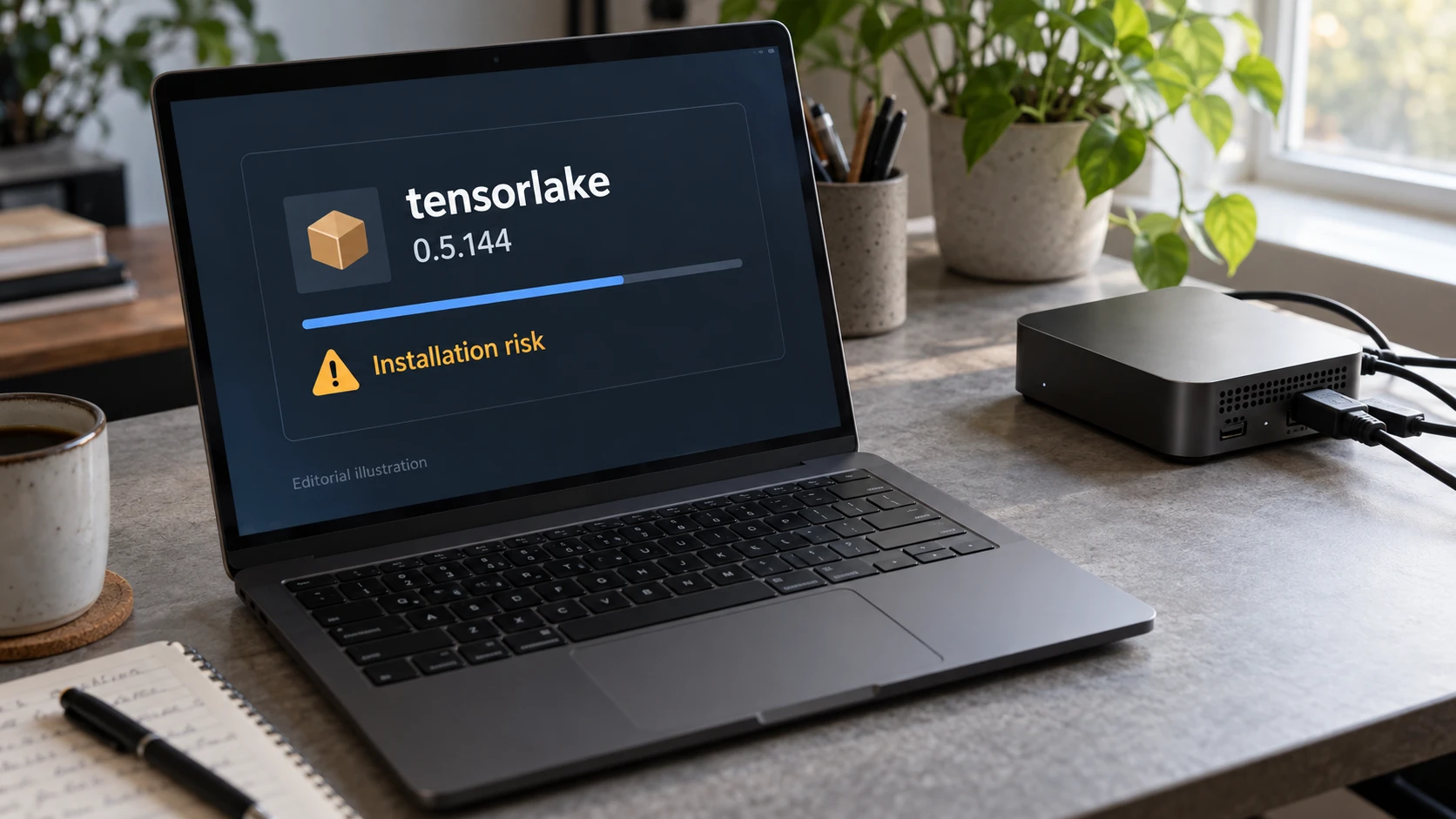
In brief: A malicious release of Tensorlake’s npm package could steal credentials during installation, before an AI agent started running. The affected release reported on 8 October is [email protected].
What is Tensorlake?
Tensorlake provides infrastructure for AI agents, including isolated environments called sandboxes. These give an agent a separate place to execute code instead of sharing the application server’s working environment.
An SDK is a software development kit: code that developers add to an application to use a service. npm distributes such packages for JavaScript and TypeScript projects. The package installed by a developer and the sandbox it connects to are separate parts of the system.
The attack began at installation
Socket’s investigation found malicious code launched by an installation script where such scripts were allowed. Its analysis describes credential theft and mechanisms for retaining access.
Credentials include digital keys that let software access other services. A stolen key can therefore expose more than the machine where it was found, depending on the permissions attached to it.
The GitHub security advisory also identifies malware in the package. It warns that removing the package does not guarantee removal of all malicious software left behind.
Why the sandbox is a separate question
A sandbox limits code that runs inside it. Software installed elsewhere does not automatically inherit those limits. Think of an application that connects to a remote service: installing the application on a laptop and running a task on the service are different events.
For Norwegian businesses developing AI applications, this case illustrates why the security of the agent and the security of its development tools are distinct questions. The issue here concerns a software dependency, rather than an AI model choosing to attack.
Our article on testing boundaries around AI agents explains the separate problem of keeping an agent inside its intended environment.