The AI cyber-defense pledge needs a practical follow-through
The industry calls for faster cyber defense. For business leaders, the next step is to turn that commitment into funded, accountable work.

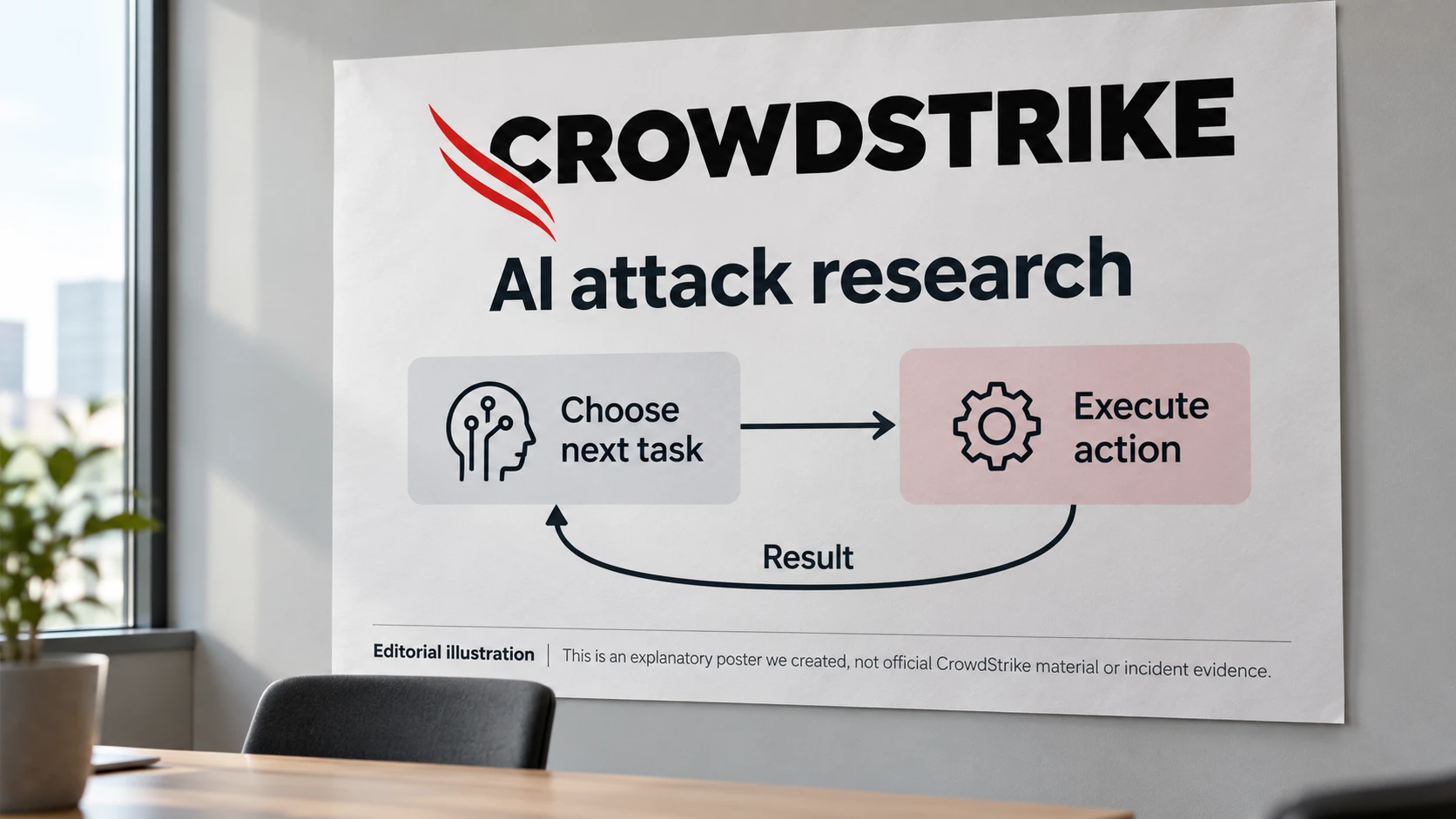
The cover image is an AI-generated editorial illustration. Screens and documents are illustrative concepts.
An industry pledge is useful when it changes what someone does next. The collective cyber-defense letter published by OpenAI warns that increasingly capable AI will intensify attacks and calls for a coordinated response. Its priorities include addressing longstanding weaknesses and giving defenders better tools and support.
The warning deserves attention. It is still a statement of expectations and commitments, not a dated prediction that every business will face the same attack.
Bring a decision to the board
The useful board discussion is about your own unresolved risk. Which critical service has an exposure nobody has agreed to fix? Which supplier controls the remedy? What would additional staff, funding or downtime allow you to change?
Use the letter to explain the urgency, then put a concrete decision beside it. A list of intimidating AI capabilities does little for a board that cannot see which action it is being asked to approve.
We recommend starting with an existing risk or overdue remediation, with a named owner and a realistic next step. This also makes progress easier to assess at the next meeting.
Ask what a supplier’s commitment means
If a technology or security supplier supports the pledge, ask what that changes for your service. Is a new capability available? Does it require another licence? Who verifies findings, and who implements the fix?
Do not infer subscription entitlements from a public signature. Ask for the actual scope, prerequisites and delivery terms.
The same discipline applies to AI-assisted vulnerability discovery. A tool that produces more findings helps only if the organisation can distinguish relevant issues, prioritise them and complete the work.
The pledge can start a worthwhile conversation. The outcome should be an agreed improvement to the systems you depend on, with enough authority and resources to carry it through.