FM CyberSecurity works with ARTEX and HexStrike AI
FM CyberSecurity has started using ARTEX and HexStrike AI, two AI tools for security testing, on its own systems and in customer engagements. Kenny Le leads the work.
In brief: FM CyberSecurity has started using ARTEX and HexStrike AI, two open-source tools that let AI agents carry out security tests. ARTEX has already turned up in real attacks, so defenders need to know the tools as well. This article explains what they do and how we use them on our own systems and for customers.
How the tools work
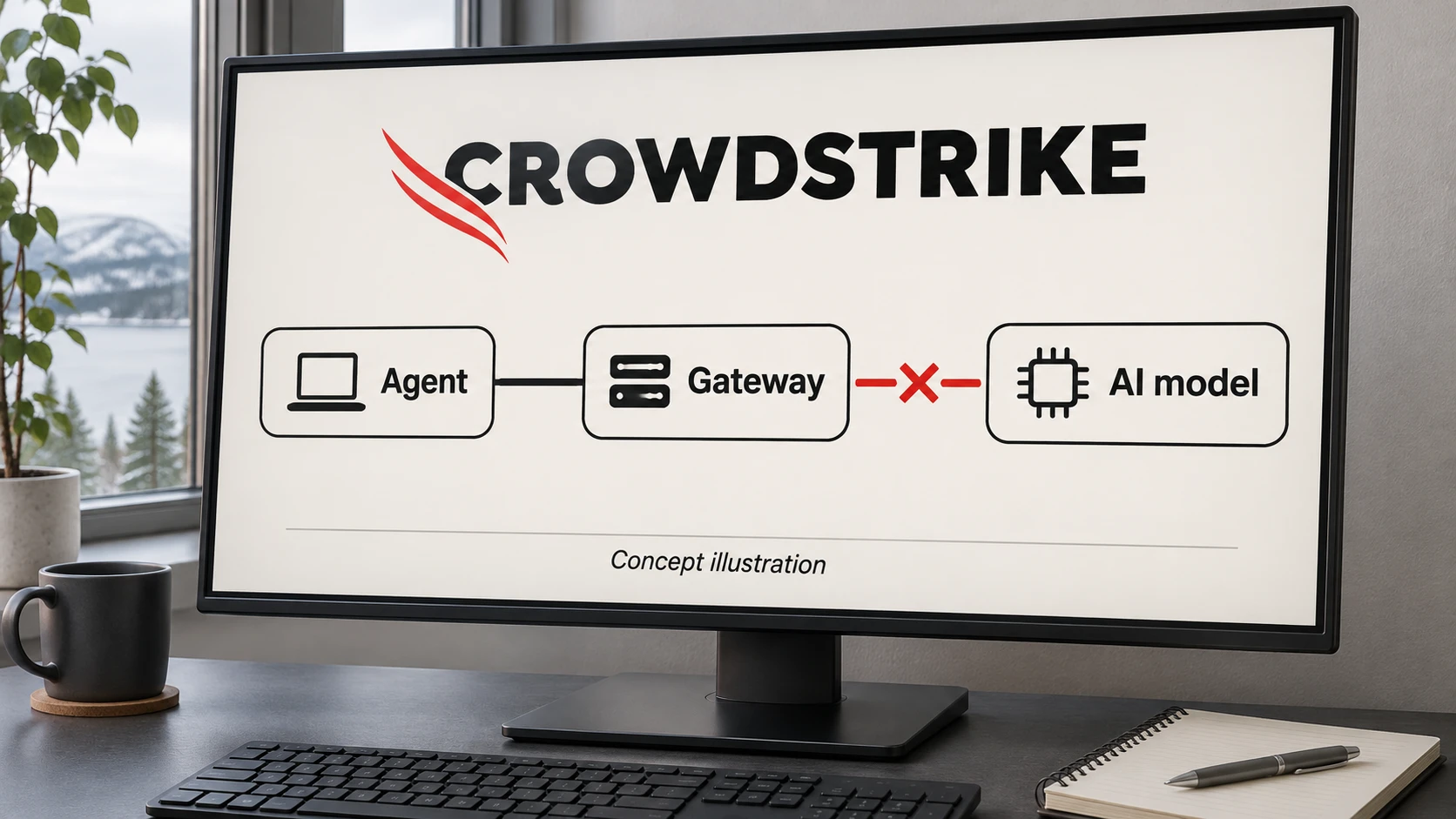
ARTEX and HexStrike AI both connect an AI model to the security tools that testers already use. The model proposes the next step, a tool carries it out, and the result is passed back to the model. A test can therefore run through many steps without a person typing each command.
ARTEX is a framework for penetration testing, where the tester looks for weaknesses by trying to exploit them. The user names a target. A planning AI agent breaks the job into parts, and other agents complete each part with security tools. Cisco Talos describes ARTEX and similar platforms in more detail.
HexStrike AI is a server that gives AI models access to security tools. The project itself states that it supports more than 150 tools. The code is public on GitHub, and the tool is available as a package in Kali Linux.
ARTEX has been found in attacks
The tools were built for testing, and they work the same way for an attacker as for a tester. What separates the two is permission from the owner of the system.
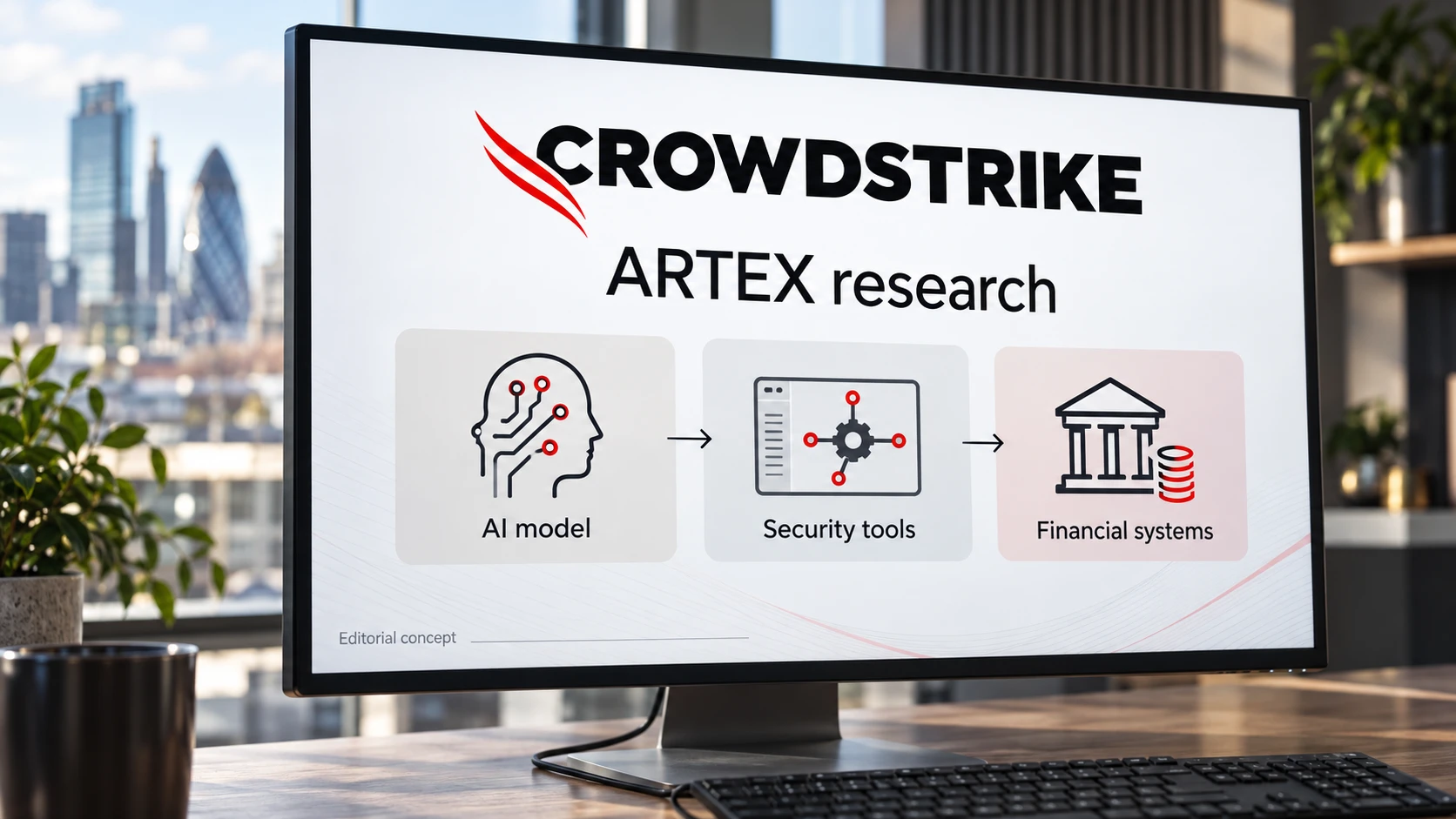
In October, CrowdStrike found ARTEX in attacks on South Korean financial organisations. We covered the case in our article on the ARTEX findings. When attackers adopt tools like these, it helps defenders to know what the tools find and how quickly they find it.
How we use the tools
We use ARTEX and HexStrike AI in two ways:
- Internally: We test our own systems.
- For customers: We use the tools in engagements at our customers, by agreement with the customer and on systems the customer owns.
Kenny Le, a security consultant at FM CyberSecurity, leads the work. If you would like to hear more about how we use the tools, contact Kenny.